

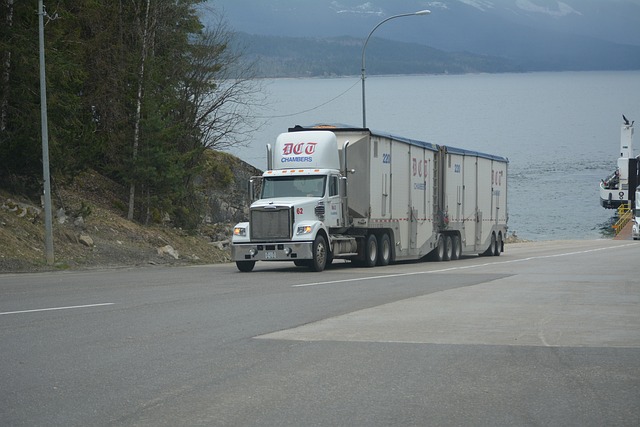



In the dynamic world of logistics and transportation, ensuring your fleet’s optimal performance is crucial. This is especially true in Brownsville, Texas, where efficient operations can mean significant cost savings and enhanced service delivery. When it comes to maintaining your commercial truck fleet, having the right tools and strategies is essential. This article delves into the art and science of fleet truck recovery equipment Brownsville Texas, offering valuable insights into optimizing maintenance routines for better overall performance.
Understanding the Importance of Fleet Maintenance in Brownsville
Brownsville, like many rapidly growing urban centers, relies heavily on a robust transportation network to support its diverse economy. From transporting goods across state lines to facilitating local logistics, commercial trucks play a pivotal role. Regular and thorough fleet maintenance is not just a best practice; it’s an indispensable strategy for:
-
Reducing Downtime: Well-maintained trucks experience fewer mechanical breakdowns, minimizing unplanned downtime and maximizing operational efficiency.
-
Lowering Operating Costs: Preventive maintenance can significantly reduce repair costs by catching potential issues before they become major problems.
-
Enhancing Safety: Regular inspections ensure that vehicles meet safety standards, protecting drivers and reducing the risk of accidents.
-
Extending Vehicle Lifespan: Proper care extends the life of your trucks, delaying the need for frequent replacements.
Essential Components of Fleet Truck Recovery Equipment in Brownsville
In the heart of South Texas, where conditions can vary from scorching heat to occasional storms, having specialized fleet truck recovery equipment is vital. Here are some key components that form the backbone of effective maintenance:
1. Advanced Diagnostic Tools
Modern diagnostic tools are indispensable for identifying issues early. These devices allow technicians to perform precise checks, analyze sensor data, and pinpoint problems with accuracy. In Brownsville, where a mix of local and international trucking operations thrive, having access to state-of-the-art diagnostic equipment ensures that vehicles meet the highest standards.
2. Comprehensive Vehicle Inspection Systems
Regular inspections are non-negotiable for any fleet. Automated inspection systems streamline this process, ensuring consistency and minimizing human error. These systems check critical components like brakes, lights, tires, and emissions controls, providing a detailed report for each vehicle.
3. Emergency Repair Kits and Tools
Being prepared for unexpected breakdowns is crucial. Well-equipped repair kits and tools allow drivers or mechanics to conduct basic troubleshooting and temporary repairs until specialized assistance arrives. This quick thinking can significantly reduce downtime.
4. On-Site Recovery Equipment
For larger fleets, on-site recovery equipment is a game-changer. This includes heavy-duty tow trucks, recovery cranes, and specialized lifting gear for handling damaged or disabled vehicles. Such resources ensure swift recovery and efficient fleet operations.
Strategies for Effective Fleet Maintenance in Brownsville
Implementing robust maintenance practices requires a strategic approach tailored to the unique challenges of operating in Brownsville. Here are some proven strategies:
1. Establish a Regular Maintenance Schedule
Consistency is key. Develop a detailed schedule that encompasses daily, weekly, monthly, and annual checks. This should include routine oil changes, fluid levels, tire pressure, and brake inspections. A well-organized calendar keeps maintenance on track and provides valuable data for performance analysis.
2. Train Drivers in Basic Maintenance
Empowering drivers with basic maintenance knowledge can be invaluable. Teach them to identify unusual sounds, smells, or vibrations that may indicate potential issues. Simple checks like inspecting lights, tires, and fluid levels between scheduled services can catch problems early.
3. Implement a Condition-Based Maintenance Program
This approach focuses on monitoring vehicle conditions rather than strict time intervals. Sensors and advanced diagnostics allow for real-time tracking of critical components. Maintenance is performed only when needed, optimizing resources and reducing unnecessary work.
4. Utilize Telematics for Data-Driven Decisions
Telematics offers a wealth of data on driver behavior and vehicle performance. By analyzing this information, fleet managers can make informed decisions about maintenance schedules, fuel efficiency, and route optimization. This technology provides a competitive edge in cost savings and operational effectiveness.
5. Partner with Reputable Local Service Centers
Brownsville boasts several reliable service centers known for their expertise in commercial vehicle repairs. Building partnerships ensures quick response times, specialized services, and access to local knowledge about the unique demands of operating in this region.
FAQ: Addressing Common Concerns
Q1: How often should I perform a complete fleet inspection?
A1: Annual or bi-annual comprehensive inspections are recommended for all vehicles, regardless of age. These thorough checks ensure that every component meets safety and performance standards.
Q2: Can I use generic repair kits for emergency repairs?
A2: While generic kits may be suitable for minor issues, it’s best to have OEM (Original Equipment Manufacturer) kits tailored to your specific vehicle models. They provide superior compatibility and reliability.
Q3: What benefits does a condition-based maintenance program offer?
A3: This proactive approach saves costs by performing maintenance only when necessary. It extends vehicle lifespan, improves fuel efficiency, and enhances overall fleet performance through data-driven insights.
Q4: How do I keep my drivers engaged in routine maintenance?
A4: Encourage open communication about any concerns they may have. Provide clear training materials and regularly update them on maintenance best practices. Recognize their contributions to maintaining the fleet’s health.
Q5: Are there local regulations that affect fleet maintenance in Brownsville?
A5: Absolutely. Brownsville, like other cities, has specific guidelines for vehicle inspections, emissions standards, and safety protocols. Ensure compliance by staying updated on local regulations and adapting your maintenance plans accordingly.
Conclusion: Optimizing Fleet Performance Through Effective Maintenance
In the dynamic landscape of Brownsville, Texas, optimizing fleet truck recovery equipment is more than just an investment; it’s a strategic imperative. By implementing these fleet maintenance tips, you can elevate your operations to new heights. Regular maintenance not only extends the lifespan of your trucks but also ensures they remain safe and efficient on the roads. Embrace technology, stay informed about local regulations, and empower your drivers—all contributors to a well-oiled and productive fleet.